October 18, 2026 · 5 min read
How long should a chapter be? What readers actually tolerate

Luis Popi
Founder of Psitta
Nobody has ever put down a novel and said, "the story was wonderful, but the chapters were the wrong length." So let me say the honest part first: chapter length is not a rule you can break. There is no committee. A chapter is simply the stretch of story between two places where the writer chose to let the reader breathe.
And still the question is worth asking, because writers do not ask it out of pedantry. They ask it because they are three chapters in and one chapter is nine pages while another is forty, and the imbalance feels like a symptom of something. Sometimes it is. So here are the numbers, and then the thing the numbers cannot tell you.
The numbers are more consistent than you might expect. People have counted chapters across large samples of published novels, and most analyses land in the same region: the average chapter runs somewhere between 3,000 and 5,000 words, with the bulk of chapters in adult fiction falling between 1,500 and 5,000. Kindlepreneur's survey of bestsellers puts the sweet spot near 3,000 to 4,000 words, and Jericho Writers gives a similar range. In pages, that is roughly ten to fifteen pages of a printed paperback. If your chapters sit anywhere in that band, nothing is wrong with them, and you can stop reading this post and go write.
But averages hide the interesting part, which is how much the band moves by genre, because genre is really a promise about pace. Thrillers run short. James Patterson made a career partly out of chapters of two or three pages, and readers of that kind of book are not insulted by it — the short chapter is the pace. Each chapter break is a small cliff, and the reader jumps off forty of them in an evening and calls the book "unputdownable." Literary fiction and epic fantasy run long, sometimes very long, because the reader came for immersion, and a chapter break is an interruption of exactly the thing she is paying for. Children's and middle-grade chapters run short again, for a different reason: the chapter has to fit inside one bedtime.
Notice what all three cases have in common. The chapter length is not serving the writer. It is serving the reader's sitting.
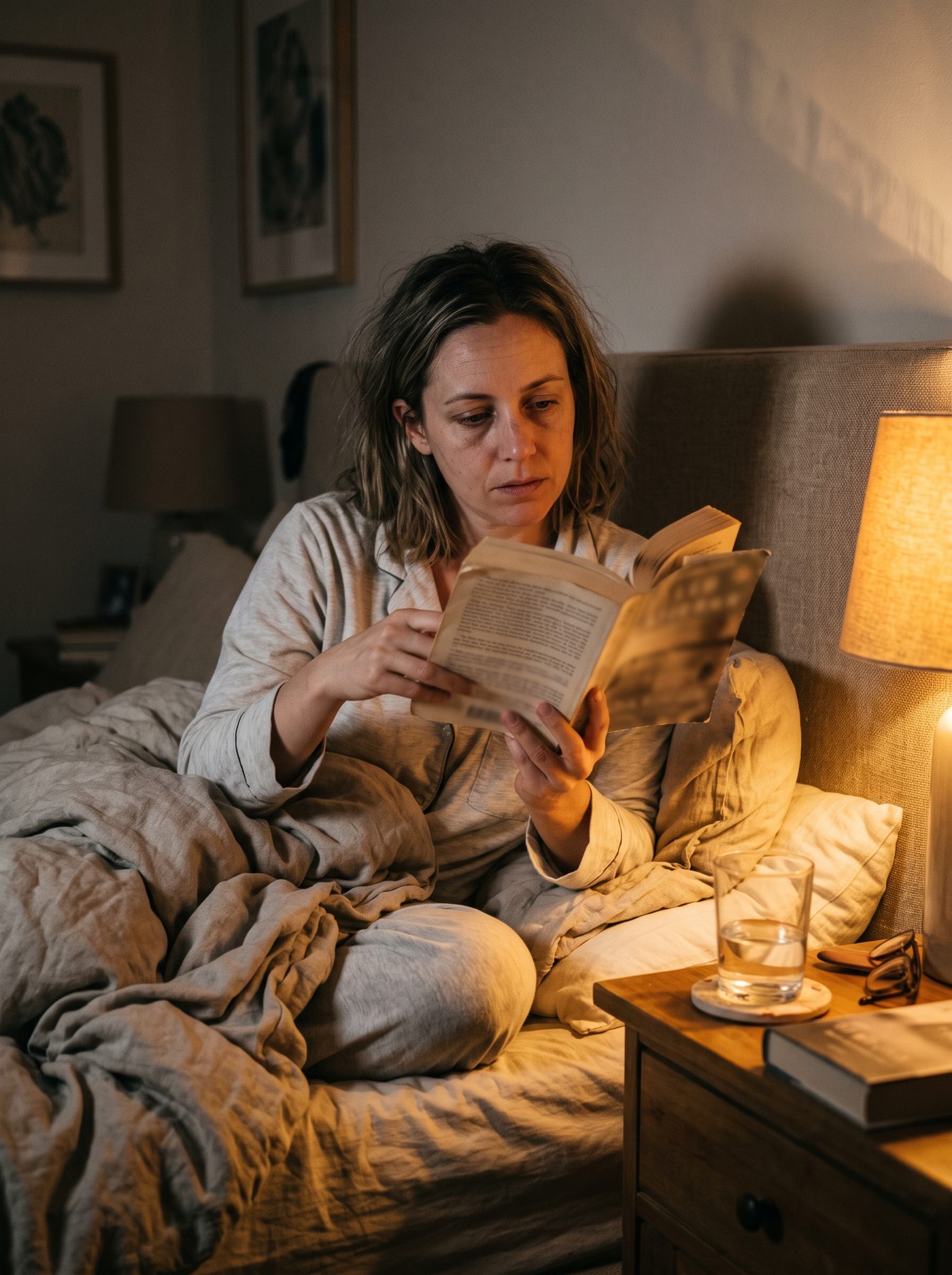
That is the better question hiding under this one. A chapter is a unit of reading, not a unit of writing. Most people read in stolen sessions — twenty minutes on a train, half an hour before sleep — and they strongly prefer to stop at a chapter break rather than mid-scene. You know this from your own reading. At eleven at night you look at the next chapter, weigh its thickness between your fingers, and decide whether you have one more in you. A twelve-page chapter at that hour is a reasonable offer. A forty-page chapter is a refusal, and the bookmark goes in.
So when a chapter of yours feels too long, the real test is not the word count. It is whether the chapter is still one thing. A chapter earns its length the way a scene does: it has a job — get her to the city, break the friendship, reveal the letter — and it should end shortly after the job is done. A 6,000-word chapter that is one continuous pull, one rising situation the reader cannot leave, is fine at 6,000 words. A 2,500-word chapter that does one small thing and then keeps going into a second small thing is too long at 2,500, because the reader felt a natural exit and you drove past it. Most "too long" chapters are not overweight. They are two chapters holding hands.
Where exactly to put the break, then? The old advice says end on a cliffhanger, and the old advice is half right. End a little early — that is the useful core of it. Close the chapter a beat before the reader expects, while a question is still open: she opens the door, and we break before we see who is standing there, or quieter, he says he will tell her tomorrow, and we break on tonight. You do not need a gunshot. You need an unanswered thing small enough to be honest. A book that ends every chapter on a scream teaches the reader that the screams are decoration, and she starts putting the book down anyway.
One more worry I should take off your shoulders: consistency. Writers look at their chapter list, see a 2,000-word chapter sitting next to a 7,000-word one, and feel they have built something lopsided. In published fiction this variation is normal, and it is useful. Short chapters read fast; long chapters read slow; so chapter length is one of the few pace controls you can operate after the draft exists. A sudden two-page chapter in a book of fifteen-page chapters lands like a slammed door. Keep the variation — just make sure each length is a choice, not an accident of where you got tired that day.
If you want a practical pass for a finished draft, it is a short one. List your chapters with their word counts — most writing software shows this at a glance, and in Psitta's studio the blueprint view puts those counts next to each chapter, which is where I most often see writers discover the two-chapters-holding-hands problem in their own book. Then read only the last page of each chapter and ask two questions. Did this chapter do one job? And does the last line leave anything open? Where the answer is no and no, you have found your break, and it is usually a few paragraphs earlier than where you stopped.
The word counts are a comfort, so take the comfort: 1,500 to 5,000, more if your genre is patient, less if it is not. Then put the numbers away. The reader with one finger holding the page at eleven at night does not count words. She only asks whether she can stop here, and whether she wants to. Your chapter should answer: you could, but you will not want to.
Psitta is the writing studio that helps you go from first idea to finished manuscript.